Choosing between super strong carbon fiber composite plastic and carbon fiber plates for an environmental monitoring program is not a like-for-like material decision. The Super strong carbon fiber composite plastic from ZHEN JIANG NFD HIGH PERFORMANCE MATERIALS CO.,LTD is a compounded reinforced plastic system, while carbon fiber plates are semi-finished sheet stock, carbon fiber prepreg is an intermediate laminate input, and a carbon fiber frame is a finished airframe part. Your choice should follow the geometry you need to produce, the documentation your procurement process requires, and the environment the finished part will operate in — not a headline strength number alone.
Where Each Material Sits in the Build Chain
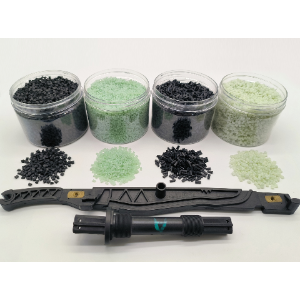
The main product is a reinforced plastic system rather than a finished component. The supplier describes it as carbon fiber reinforced plastic and, in the same listing, a glass fiber reinforced system improved by carbon fiber interface treatment technology, including a PA+65% GF grade. That positions it as a molding and compounding input: you select a grade, then mold or machine brackets, housings, and structural inserts.
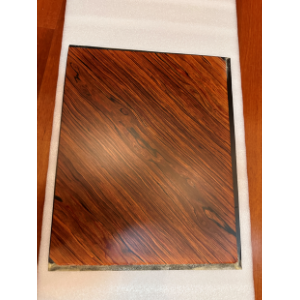
Carbon fiber plates (model B-005 from Anyflying Carbon fiber) are flat semi-finished stock, typically machined into plates, arms, and mounting surfaces. Carbon fiber prepreg from Jiangxi Ruiqi is an intermediate product — unidirectional tape or fabric pre-impregnated with resin, laminated and cured into a part. A carbon fiber frame (F系列001) is already a finished airframe component. Comparing them on a single strength axis ignores what each one is designed to do.
Attribute-by-Attribute Comparison (Supplied Data Only)
The table below uses only attributes that appear in the supplied product listings. Where a cell reads "not stated in supplied data", the listing does not include that figure — request the datasheet before writing it into a specification.
| Attribute | Super strong carbon fiber composite plastic | Carbon fiber plates | Carbon fiber prepreg | Carbon fiber frame |
|---|---|---|---|---|
| Category | Materials | Materials | Materials | Materials |
| Model | 多款型号 | B-005 | 碳纤维预浸布 | F系列001 |
| Brand | ZHEN JIANG NFD HIGH PERFORMANCE MATERIALS CO.,LTD | Anyflying Carbon fiber(HK) Co.,Limited | Jiangxi Ruiqi Carbon Fiber Composite Materials Co., Ltd | Anyflying Carbon fiber(HK) Co.,Limited |
| Form as described | Carbon fiber reinforced plastic; glass fiber reinforced system including PA+65% GF | Plate | Prepreg (unidirectional and fabric) | Frame |
| Tensile strength | Super strong plastic exceeds 410 MPa; PA+65% GF up to 310 MPa | Not stated in supplied data | Not stated in supplied data | Not stated in supplied data |
| Documented characteristics | Fiber bonding treatment; carbon fiber interface treatment applied to glass fiber system, reported to improve performance by 16% | Light weight, high strength, corrosion resistance | T700–T1100 series; epoxy, bismaleimide and polyimide resin systems; described as meeting military-grade weather resistance standards | High strength and stiffness; damping effect during drone flight |
| Applications stated in listing | Not stated in supplied data | Not stated in supplied data | Aerospace, shipbuilding, wind power generation, new energy equipment, rail transit | Drone flight (frame) |
| Additional figures (density, modulus, thickness, cure schedule, certifications) | Not stated in supplied data | Not stated in supplied data | Not stated in supplied data | Not stated in supplied data |
Note that the manufacturer states its fiber bonding work brings mechanical properties to what it describes as a leading level in its segment. That is a supplier statement, not an independently verified result, and it should be checked against test reports during sourcing.
What the Supplied Data Confirms — and What It Leaves Open
- Tensile strength above 410 MPa for the super strong plastic, per the supplier listing.
- Up to 310 MPa tensile strength for the PA+65% GF grade prepared with the described interface treatment technology.
- A reported 16% performance improvement in glass reinforced plastics after applying carbon fiber interface treatment technology.
- Carbon fiber plates: light weight, high strength, and corrosion resistance.
- Carbon fiber prepreg: T700–T1100 series coverage, epoxy, bismaleimide and polyimide resin systems, and a description of meeting military-grade weather resistance standards.
- Carbon fiber frame: high strength and stiffness, with a damping effect described during drone flight.
What is missing matters just as much. None of the four listings state density, elastic modulus, coefficient of thermal expansion, service temperature range, ply orientation, plate thickness, cure schedule, UV performance, or third-party certification. No prices, minimum order quantities, or lead times are given either. For any of these, contact us for the datasheet. Procurement teams preparing an environmental monitoring build should treat every unlisted property as an open question, not a safe assumption.
Matching Material Form to Environmental Monitoring Missions
Airframe structures and payload mounts
If you are building or repairing a multirotor or fixed-wing platform for sensor work, the carbon fiber frame listing is the closest match to a finished structural part, and the supplier specifically describes a damping effect during flight. However, the listing gives no stiffness or load figures, so validate arm loads, motor mount geometry, and vibration behaviour against the datasheet before committing a fleet.
Sensor housings and wet or coastal deployments
Environmental monitoring hardware often sits in humid, coastal, or tropical conditions. Corrosion resistance is explicitly listed for carbon fiber plates, which makes them a reasonable starting point for machined brackets and mounting plates. The main composite plastic listing does not state corrosion or UV performance, and the military-grade weather resistance description applies to the prepreg product, not to the composite plastic. Confirm the relevant exposure data with the supplier.
Ground stations, buoys, and fixed installations
For enclosures and molded parts, a compounded reinforced plastic system is the more natural fit because it can be molded into complex geometry rather than machined from flat stock. The trade-off is documentation: the listing names a tensile figure and a grade, but nothing about long-term outdoor exposure, water absorption, or thermal cycling. Request the datasheet and specify your site conditions in the enquiry.
Procurement Questions for Latin America Deployments
Regional conditions in Latin America vary widely — Andean altitude and cold, Amazonian humidity, and long coastal stretches with salt exposure. None of the supplied listings address these environments directly, so build the questions into your RFQ:
- What humidity, salt-spray, or corrosion testing has been performed on the specific grade?
- What is the documented service temperature range, and how does it apply at high-altitude sites?
- Is UV or weathering data available for outdoor-mounted parts?
- What test reports, batch certificates, or material declarations ship with the order?
- What are the minimum order quantity and typical production lead time?
- Are spare plates or frame sections available for field repair and replacement?
Selection Guidance by Mission Fit
- Molded brackets, housings, and non-standard geometry: start with the super strong carbon fiber composite plastic and confirm grade, tensile data, and environmental performance on the datasheet.
- Machined mounting plates, arms, and flat structural interfaces: carbon fiber plates are the practical form factor, provided you obtain thickness, layup, and mechanical data.
- Laminated structures where you control the layup: carbon fiber prepreg, with resin system selected against your cure process and service environment.
- Finished airframe replacement or repair: the carbon fiber frame, once stiffness and mounting dimensions are verified.
- Any specification where a numeric value is not published: contact us for the datasheet rather than extrapolating from a different product in the same category.
The practical rule for environmental monitoring procurement is to choose the material form that matches your manufacturing route first, then close every performance gap in writing before the purchase order. A 410 MPa tensile figure is useful context for the composite plastic, but it does not describe plates, prepreg, or frames — and it does not by itself qualify a material for coastal humidity, altitude, or long-duration outdoor deployment.
Featured product
Super strong carbon fiber composite plastic
NFD has successfully overcome the problem of fiber bonding, making the mechanical properties of NFD composite materials reach the leading level in the industry. Under the same conditions, the mechanical performance of New Fuda carbon fiber reinforced plastic is significantly ahead of its competitors in the market...
Products mentioned in this guide
Carbon fiber plates
It has the characteristics of light weight, high strength, corrosion resistance and so on
View product details →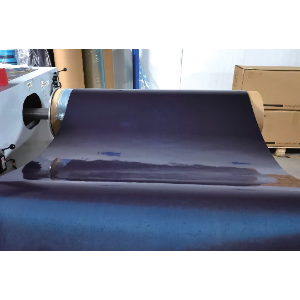
Carbon fiber prepreg
Jiangxi Ruiqi Carbon Fiber Composite Materials Co., Ltd. focuses on the production of T700-T1100 high-performance carbon fiber prepreg series products with stable characteristics...
View product details →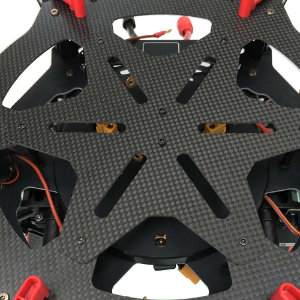
Carbon fiber frame
Its strength and stiffness are both high, so it will have a damping effect during drone flight, making the flight more stable
View product details →Frequently asked questions
What is the tensile strength of the super strong carbon fiber composite plastic?
The supplier listing states that the tensile strength of the super strong plastic exceeds 410 MPa. The same listing states that the PA+65% GF material prepared with the described technology reaches up to 310 MPa. Figures for other grades in the 多款型号 range are not given — contact us for the datasheet.
Are carbon fiber plates stronger than the composite plastic?
The supplied data does not support that comparison. Carbon fiber plates (model B-005) are described as light weight, high strength, and corrosion resistant, with no tensile or modulus figure published. Compare only documented values, and request the datasheet for both materials before ranking them.
Which material should I choose for a drone frame used in environmental monitoring?
The carbon fiber frame (F系列001) is the only supplied listing described as a finished frame, and it is described as having high strength and stiffness with a damping effect during drone flight. No load, stiffness, or dimension figures are provided, so verify those against the datasheet before specifying it for a fleet.
Does the composite plastic meet military-grade weather resistance standards?
That description appears in the carbon fiber prepreg listing from Jiangxi Ruiqi, which states its prepreg products meet military-grade weather resistance requirements. It is not stated for the super strong carbon fiber composite plastic. Contact us for the datasheet if weather resistance is a specification requirement.
Can these materials be used in coastal or high-humidity Latin America sites?
Corrosion resistance is explicitly listed for carbon fiber plates. The other three listings do not state corrosion, salt-spray, UV, or humidity performance. Provide your site conditions in the enquiry and request the datasheet so the supplier can confirm suitability for your deployment environment.
Need help selecting the right system?
Tell us your mission, payload, and operating environment. Our team will help you compare options and request the right datasheets from verified suppliers.