Materials specifications for a PCBA cleaning agent answer a practical procurement question: can this chemistry clean the board, leave the right surface condition, and fit the production or repair process without damaging components? For environmental monitoring hardware, the answer should be built from compatibility, residue behaviour, compliance, and process method, not from a generic cleaning-agent label. The PCBA Cleaning Agent GQJ9600 is the main product in this explainer, and the supplied data gives enough to frame those checks. Details such as dwell time, application temperature, dilution, shelf life, and test results are not included; contact us for the datasheet.
Materials specifications explained: four filters that matter
In the Materials category, specifications are not just chemical labels. They are filters that tell a buyer whether a cleaning agent belongs in the process. For a PCBA cleaning agent, four filters are especially useful:
- Compatibility: the agent must not corrode or damage solder joints, components, connectors, labels, or other plastics on the assembly. The GQJ9600 description states non-corrosiveness to solder joints, components, and plastic parts such as connectors and labels.
- Residue behaviour: leftover flux, oils, dust, ionic contaminants, or cleaning chemistry can affect conductivity or insulation. The supplied data states low residue and full volatility.
- Environmental compliance: RoHS, REACH, halogen-free, and low-VOC claims belong in the procurement file, with current declarations for the exact model.
- Process adaptability: manual wiping, immersion, ultrasonic, and spray cleaning place different demands on wetting, dwell time, rinsing, and drying. The supplied data lists all four methods for GQJ9600.
What the GQJ9600 data states, and what it does not
The supplied entry for the PCBA Cleaning Agent describes a specialized cleaning solution for printed circuit board assemblies. It is intended to remove soldering residues such as flux and rosin, oils, dust, ionic contaminants, and other impurities to support electrical performance and long-term reliability. The description also states material compatibility with solder joints, components, and plastic parts; low residue and full volatility; compliance with RoHS, REACH, and other regulations; halogen-free and low-VOC status; and suitability for manual wiping, immersion, ultrasonic, or spray cleaning.
The supplied data does not give exact VOC content, ionic contamination test results, cleaning time, temperature, dilution ratio, shelf life, packaging, or a full list of compatible plastics and elastomers. Those are datasheet and process-validation questions. For a procurement file, record the stated compliance and compatibility claims, then request the current datasheet and any available test reports from the supplier. Contact us for the datasheet if those details are required for approval.
Compatibility: the first filter for environmental monitoring boards
Environmental monitoring devices often combine sensor boards, connectors, labels, and plastic housings in one assembly. A cleaning agent that attacks a connector body or label can create a failure that has nothing to do with the electronics. The supplied data says GQJ9600 is non-corrosive to solder joints, components, and plastic parts such as connectors and labels. That is the relevant starting point. Buyers should still map every exposed material on the board, including connector housings, conformal coatings if present, gaskets, and markings, then ask the supplier to confirm compatibility. The data does not list every polymer or coating, so contact us for the datasheet and material compatibility guidance.
In Middle East environmental monitoring programmes, dust and high ambient temperatures can affect maintenance intervals and enclosure design. Those factors do not change the cleaning-agent specification, but they make residue and material compatibility checks central during procurement.
Residue and volatility: why fully volatile belongs in the specification
Residue is a materials specification because leftover flux, oil, or cleaning chemistry can affect conductivity or insulation. The GQJ9600 description states low residue and full volatility, intended to prevent conductivity or insulation issues. For buyers, the practical question is how that behaviour is verified on the actual board. The supplied data does not give a residue threshold, test method, or ionic contamination limit. Ask for the datasheet and any test method the supplier can share. In environmental monitoring hardware that may be serviced infrequently, the procurement file should also state the cleaning process, drying conditions, and inspection step, not just the product name.
Compliance and process fit: RoHS, REACH, halogen-free, low-VOC
Compliance specifications are procurement gates. The supplied data says GQJ9600 is compliant with RoHS, REACH, and other regulations, and is halogen-free and low-VOC. For a B2B buyer, confirm that the current certificate or declaration matches the exact model and the regulations that apply in your market. The data does not state a VOC value, so contact us for the datasheet if that number is required. Process fit is equally practical: the same product is listed for manual wiping, immersion, ultrasonic, and spray cleaning. Each method changes dwell time, wetting, rinsing, and drying. Ask the supplier to recommend a starting process for your board type, then validate it on your assembly.
A procurement checklist for PCBA cleaning agents
Use a specification checklist that separates stated product data from process assumptions. The table below turns the supplied GQJ9600 data into buyer questions.
| Specification area | What the supplied data says | What to ask before purchase |
|---|---|---|
| Material compatibility | Stated as non-corrosive to solder joints, components, and plastic parts such as connectors and labels. | Which materials on our board have been assessed, and what compatibility documentation is available? |
| Residue and volatility | Stated as low residue and fully volatile to prevent conductivity or insulation issues. | What residue or ionic contamination test method is used, and can we see the datasheet? |
| Environmental compliance | Stated as RoHS, REACH, and other regulations; halogen-free and low-VOC. | Can you provide current declarations for model GQJ9600 and confirm VOC data? |
| Process adaptability | Listed for manual wiping, immersion, ultrasonic, and spray cleaning. | What starting parameters do you recommend for our method, and what validation is needed? |
| Missing data | No dwell time, temperature, dilution, shelf life, packaging, or full compatibility list supplied. | Please provide the datasheet and process guidance before purchase. |
Questions to ask before you specify
For environmental monitoring teams, the buying decision should be traceable. Ask for the current datasheet, compliance declarations, compatibility guidance, and a process recommendation for your cleaning method. Confirm whether the product is supplied as a single chemistry or as part of a process kit; the supplied data does not specify packaging or dilution, so contact us for the datasheet. If your board includes coatings, sensors, or unusual polymers, request written confirmation before cleaning. Finally, include cleaning and drying in the assembly work instruction so that the specified material is used consistently across sites. The objective is not a longer specification sheet; it is a cleaning step that can be repeated, inspected, and audited.
Featured product
PCBA Cleaning Agent
A specialized cleaning solution for printed circuit board assemblies (PCBAs), designed to remove soldering residues (e.g., flux, rosin), oils, dust, ionic contaminants, and other impurities to ensure the electrical performance and long-term reliability of circuit boards. Key features: • Material compatibility:...
Products mentioned in this guide
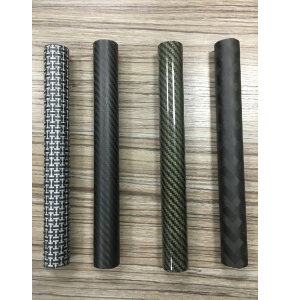
Carbon fiber round tubes
Carbon fiber round tubes are used in the production of high-performance sporting goods, and their high rigidity and lightweight properties provide good control and stability
View product details →
UV Acrylic Solder Joint Adhesive Protective Coating
Single-component UV-curable acrylic adhesive; exhibits excellent adhesion to glass, metals, and plastics such as polycarbonate (PC), polyvinyl chloride (PVC), and polymethyl...
View product details →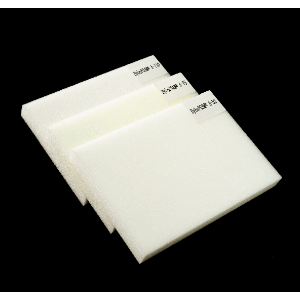
PMI foam
HyboFOAM® A is a closed-cell rigid foam based on polymethacrylimide (PMI), which contains no halogen at all. The cell size is coarse and uniform. After different heat treatment...
View product details →Frequently asked questions
What is PCBA Cleaning Agent GQJ9600 used for?
The supplied data describes it as a specialized cleaning solution for printed circuit board assemblies, designed to remove soldering residues such as flux and rosin, oils, dust, ionic contaminants, and other impurities to support electrical performance and long-term reliability.
What materials is GQJ9600 compatible with?
The description states that it is non-corrosive to solder joints, components, and plastic parts such as connectors and labels. A full list of compatible polymers, coatings, and elastomers is not supplied; contact us for the datasheet.
Does GQJ9600 leave residue?
The supplied data states low residue and full volatility, intended to prevent conductivity or insulation issues. Exact residue thresholds or test methods are not included in the supplied data; contact us for the datasheet.
Which cleaning processes can GQJ9600 be used with?
The supplied data lists manual wiping, immersion, ultrasonic, and spray cleaning. Starting parameters such as dwell time, temperature, and dilution are not included; contact us for the datasheet and process guidance.
Is GQJ9600 environmentally compliant?
The description states compliance with RoHS, REACH, and other regulations, and describes the product as halogen-free and low-VOC. Exact VOC values and current declarations should be requested for model GQJ9600; contact us for the datasheet.
Need help selecting the right system?
Tell us your mission, payload, and operating environment. Our team will help you compare options and request the right datasheets from verified suppliers.