System Platforms specifications for construction progress monitoring should be read as integration and oversight capabilities, not as aircraft performance figures. For a procurement team, the core question is whether the platform can bring UAVs, detection devices, countermeasure devices, and flight data into one managed environment. The Comprehensive Low-altitude Security Management System TYPT-001 is described as a UAV supervision software platform for low-altitude flights, with unified equipment and data management, blacklist and whitelist mechanisms, customizable multi-layer data display, 2D and 2.5D panoramic visualization, and big data flight analysis. Exact integration lists, deployment requirements, and technical limits are not supplied in the product data; contact us for the datasheet.
What System Platforms means in a construction monitoring procurement
In the System Platforms category, buyers may encounter software supervision platforms, UAV system platforms, and communication modules. These are not interchangeable purchases. The Comprehensive Low-altitude Security Management System is positioned as a software platform for low-altitude UAV supervision, not as a stand-alone survey aircraft. Its stated role is to integrate various types of UAVs, detection, and countermeasure devices into the system and achieve unified management of equipment and data. That makes the specification review different from buying an airframe: the buyer is evaluating how many device types can be connected, how data is presented, how access rules are enforced, and how flight activity is analyzed.
The marketplace also lists other System Platforms entries, including Rylen-20 BT-V20, a vertical takeoff and landing fixed-wing UAV system platform, and the Qi Yun low altitude safety service management system. Confirm which sub-type you are buying before comparing specifications. A construction progress monitoring program may need both aircraft and a supervision layer, but those requirements should be evaluated separately.
Integration breadth: devices, data, and unified management
The supplied description states that the platform is capable of integrating various types of UAVs, detection, and countermeasure devices to achieve unified management of equipment and data. In practice, that specification affects mission fit because construction sites rarely run a single drone model or a single data source. A platform that can bring multiple device types into one management environment can reduce separate consoles and fragmented records. However, the product data does not list supported UAV manufacturers, protocols, detection device types, countermeasure device types, or interface options. Those details must come from the supplier datasheet.
Procurement teams should ask specific integration questions rather than accept a general statement of compatibility. Useful questions include: which UAV models and firmware versions are supported, how devices are registered and monitored, what data formats are accepted, whether data can be exported, and what happens when a device type is not on the supported list. The supplied data confirms the integration intent but not the integration catalogue. Contact us for the datasheet before writing compatibility into a tender.
Access control: blacklist and whitelist management
The product data cites a blacklist and whitelist management mechanism as one of the system’s three major advantages. For construction progress monitoring, this specification matters because sites need a clear way to distinguish authorized UAV activity from unauthorized activity. A whitelist and blacklist model is a policy layer: it helps managers define which flights or devices are permitted, which are not, and how exceptions are handled. It is not enough to know that the feature exists. Buyers should ask how lists are populated, who can change them, whether changes are logged, and how the platform reports exceptions.
The supplied description does not specify identity verification methods, approval workflows, role permissions, or audit reports. Those are material procurement details for a construction site with multiple contractors and changing flight schedules. Ask the supplier to demonstrate the blacklist and whitelist workflow with a realistic site scenario, and request the datasheet for rule configuration, user roles, and record-keeping.
Data display: multi-layer views and 2D/2.5D panoramic visualization
The system is described as offering highly customizable multi-layer display of monitoring data and 2D and 2.5D panoramic visualization. These specifications affect how quickly an operator can understand a low-altitude situation. Multi-layer display can let different teams view the data that matters to them, while panoramic visualization can support situational awareness across a site or monitored area. For construction progress monitoring, the practical question is whether the display can be configured around site zones, flight activity, device status, and review sessions without creating a confusing screen.
The data does not specify which layers are available, which map formats are supported, or whether views can be shared with external stakeholders. Buyers should ask for a demonstration of layer customization, the source and refresh behavior of monitoring data, the coordinate system used for visualization, and export or reporting options. If the construction team needs to share views with clients or regulators, confirm that workflow before purchase. Exact display capabilities are not supplied; contact us for the datasheet.
Flight analysis: what big data processing should deliver
The product description states that the system utilizes big data technology and can provide flight analyses and processing within the area, helping managers continuously improve security strategies. This is a specification area that buyers often under-scope. In practice, it should be translated into questions about what is analyzed, how often, in what format, and for whom. A construction monitoring program may want post-flight summaries, recurring activity patterns, incident review, or evidence for security policy changes. The supplied data does not list specific analysis outputs or reporting formats.
Ask the supplier how flight data is retained, whether analysis can be filtered by time period or area, how findings are presented to managers, and whether data can be exported for project reporting. For East African projects, also confirm hosting location, data governance, language support, and local service arrangements. These terms are not supplied in the product data; contact us for the datasheet.
Procurement checklist for construction monitoring buyers
| Procurement area | What to verify | Why it matters |
|---|---|---|
| Device integration | Supported UAV, detection, and countermeasure device types; interface and data export options. Exact lists are not supplied, so contact us for the datasheet. | Confirms whether the platform can cover the site’s actual equipment mix. |
| Access control | How blacklist and whitelist rules are configured, changed, and audited. | Supports controlled UAV access and reviewable exceptions. |
| Data display | Which monitoring layers can be customized; how 2D and 2.5D panoramic views are used; role-based views. | Helps site and security teams work from a common operational picture. |
| Flight analysis | Available analysis outputs, reporting format, retention, and export options. | Turns flight records into evidence for security strategy review. |
| Deployment and support | Hosting, integration effort, training, local support, and data governance terms. | Important for East African construction projects; exact terms require the datasheet. |
Use the checklist to build a requirements matrix before shortlisting. Do not compare a software supervision platform against an aircraft system platform on the same feature list. For the TYPT-001 platform, the data-supported claims are unified equipment and data management, blacklist and whitelist management, customizable multi-layer monitoring display, 2D and 2.5D panoramic visualization, and big data flight analysis for security strategy improvement. Any requirement beyond those points should be confirmed in writing with the supplier.
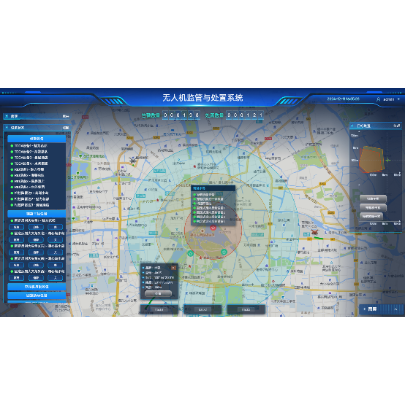
Featured product
Comprehensive Low-altitude Security Management System
Comprehensive Low-Altitude Security Management System is a comprehensive and versatile unmanned aerial vehicle (UAV) supervision software platform designed for low-altitude flights. It is capable of integrating various types of UAVs, detection, and countermeasure devices into the system to achieve unified management...
Products mentioned in this guide
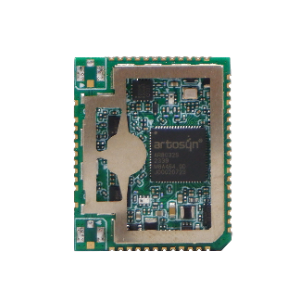
Broadband wireless data transmission module
The P401-D is a dual-band (2.4/5.8 GHz), high-bandwidth, high-power wireless data transmission module featuring 2x2 MIMO technology. Based on Time Division Duplex (TDD) principles...
View product details →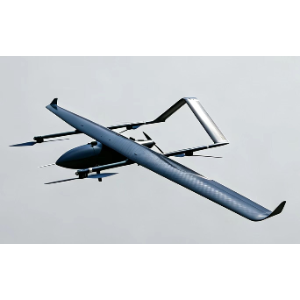
Rylen-20
Rylen-20 (Rylen-20/BT-V20) is a long endurance vertical takeoff and landing fixed-wing UAV system platform developed and produced by Xi'an Baotong Defense Technology Co., Ltd....
View product details →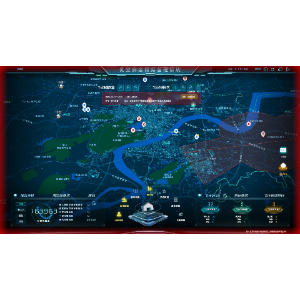
Qi Yun low altitude safety service management system
Through the construction of front-end awareness network, communication network, digital airspace network, digital service network, and comprehensive situation map, intelligently...
View product details →Frequently asked questions
What is the Comprehensive Low-altitude Security Management System TYPT-001?
The supplied data describes it as a comprehensive UAV supervision software platform for low-altitude flights. It is capable of integrating various types of UAVs, detection, and countermeasure devices into the system for unified management of equipment and data, providing regulatory authorities with a foundational service for low-altitude economic security.
Which specifications matter most for construction progress monitoring?
The most relevant specifications are device integration, unified equipment and data management, blacklist and whitelist management, customizable multi-layer monitoring display, 2D and 2.5D panoramic visualization, and big data flight analysis. Exact technical limits and integration lists are not in the supplied data; contact us for the datasheet.
Does the platform support multiple UAV types?
The product data states that it is capable of integrating various types of UAVs. The specific UAV models, interfaces, and supported firmware versions are not supplied, so contact us for the datasheet before treating compatibility as confirmed.
How should buyers evaluate the blacklist and whitelist feature?
The product data cites a blacklist and whitelist management mechanism as an advantage. Buyers should ask how lists are configured, who can change them, whether changes are logged, and how exceptions are reported. Those workflow details are not supplied; contact us for the datasheet.
Is the system suitable for East African construction monitoring projects?
The supplied data positions the system for low-altitude UAV supervision and unified equipment and data management. It does not list regional certifications, hosting terms, language support, or local service arrangements. For East African projects, confirm those points with the supplier and contact us for the datasheet.
Need help selecting the right system?
Tell us your mission, payload, and operating environment. Our team will help you compare options and request the right datasheets from verified suppliers.