When evaluating a flight controller with FPV system for infrastructure inspection, buyers must look beyond marketing claims to the underlying specifications that determine real-world performance. The FPV Video Transmission Board from Morningcore Holding Co., Ltd. is a core component that defines how video data moves from the drone to the operator. This article explains the relevant specifications, what they mean in practice for inspection missions, and what procurement teams should verify with suppliers.
FPV Video Transmission Board: Core Specifications
The FPV Video Transmission Board is described as an anti-interference, low-latency digital video transmission board built on a second-generation self-organizing network platform. It is designed for FPV applications, flight experience drones, and robots, and includes an integrated image encoding board in a compact form factor. For infrastructure inspection, the board is typically mounted on the sky-end (drone) side of the system, feeding real-time video to a ground station or pilot display.
Key Specifications and What They Mean in Practice
Three specifications define the operational capability of this board: latency, anti-interference mechanism, and network architecture. Each has a direct impact on mission effectiveness.
Screen-to-Screen Latency: 40ms
The 40ms figure refers to the time between image capture on the drone and display on the operator's screen. In infrastructure inspection, this low latency allows the pilot to react quickly to changing conditions, such as shifting shadows on a bridge or unexpected movement near a power line. It also supports smooth manual flight when visual line-of-sight is partially obscured. Buyers should confirm whether this latency is measured under ideal conditions or with typical video encoding overhead.
Dynamic Intelligent Frequency Selection
The board uses dynamic intelligent frequency selection to avoid interference from other wireless devices, nearby drones, or terrestrial communications. In dense urban or industrial settings common to infrastructure inspection, this capability helps maintain a stable video link. For operations in regions such as East Africa, where RF spectrum may be shared with broadcast and cellular services, this feature reduces the risk of signal dropout during critical inspection segments.
Second-Generation Self-Organizing Network Platform
The self-organizing network architecture allows the board to establish and maintain a wireless link without relying on pre-installed base stations. This is useful for inspections in remote areas where cellular coverage is unavailable. The network can adapt to node movement and changing interference patterns, which supports both point-to-point and mesh-like deployments depending on the fleet configuration.
Compact Image Encoding Board
The integrated encoding board is described as compact, which is important for drones with limited payload capacity. A smaller form factor reduces the overall weight and aerodynamic drag, allowing the drone to carry additional inspection sensors such as thermal cameras or LiDAR. The product description notes it is suitable for sky-end and data acquisition-end products, indicating flexibility in system design.
Applying Specifications to Infrastructure Inspection
For infrastructure inspection workflows, the combination of 40ms latency and intelligent frequency selection directly affects mission safety and data quality. Low latency enables real-time visual assessment of structural defects, while anti-interference capabilities are critical when inspecting assets near electrical substations, highways, or port facilities where multiple RF sources are present. The self-organizing network feature supports operations in rural or off-grid locations, such as pipeline corridors or remote transmission lines in East Africa, where establishing a reliable video link is a primary challenge.
Procurement teams should map these specifications to their operational requirements. For example, if the inspection involves close-proximity flying near metal structures, the frequency selection mechanism should be tested under those conditions. If the drone operates beyond visual line of sight (BVLOS), the network's ability to maintain a link over distance becomes critical, though the main product datasheet does not specify a maximum transmission distance; buyers should contact the supplier for the detailed datasheet.
Procurement Questions for Suppliers
When sourcing an FPV transmission board for a flight controller system, procurement teams should ask suppliers for the following information, using the available data as a baseline:
- Confirm the 40ms latency measurement methodology and whether it includes encoding and decoding delays.
- Request the frequency range and list of supported channels for the dynamic intelligent frequency selection.
- Clarify the self-organizing network protocol version and compatibility with existing ground station equipment.
- Obtain mechanical dimensions and weight of the image encoding board for payload integration planning.
- Inquire about operating temperature range and environmental sealing for outdoor inspection use.
For details not covered in the public product description, such as exact interface types, certification status, or warranty terms, contact the supplier directly and request the full technical datasheet.
Complementary Components for Complete FPV Systems
The FPV Video Transmission Board is typically paired with long-range transmission radios and ground control stations to form a complete inspection system. Related products in the same category include the Drone Video Transmission Radio from SHENZHEN SUNTOR TECHNOLOGY CO., LTD, available in 50km and 100km maximum transmission distance variants. These radios offer Ethernet and other business interfaces, supporting point-to-point and star network communication for multi-drone operations. The UniRC7 series professional handheld ground station from SIYI Technology provides a 7-inch display, dual-band redundancy, and up to 40km video transmission in ideal conditions, with AES encryption for data security.
When integrating the FPV board with these components, verify interface compatibility and ensure that the video encoding output matches the input requirements of the chosen radio or ground station. System integrators should also consider redundancy options, such as dual-band support, to maintain video links in challenging RF environments.
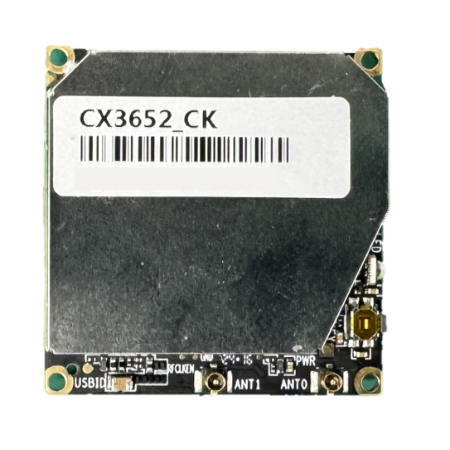
Featured product
FPV Video Transmission Board
The morningcore anti-interference, low-latency, FPV digital video transmission board is developed based on the second-generation self-organizing network platform. It features dynamic intelligent frequency selection capability and supports a screen-to-screen transmission latency of 40ms. It is suitable for design...
Products mentioned in this guide
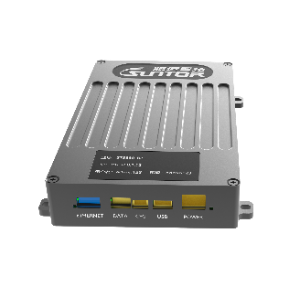
Drone Video Transmission Radio
The equipment can achieve long-distance two-way wireless video, audio and data transmission, and the maximum transmission distance from air to ground can reach over50 kilometers....
View product details →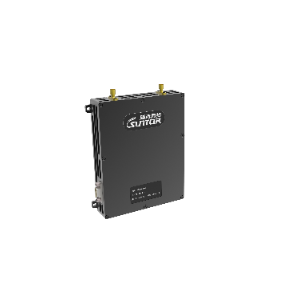
Drone Video Transmission Radio
The equipment can achieve long-distance two-way wireless video, audio and data transmission, and the maximum transmission distance from air to ground can reach over 100...
View product details →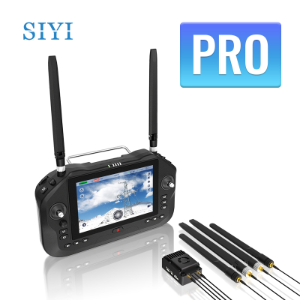
UniRC7 series professional handheld ground station
Ultimate Handfeel | 40KM Video Transmission | 2.4G/5G Dual-band Redundancy | 7-inch High-definition Large Screen Abundant Button Customization, Ultimate Control Handfeel: 16...
View product details →Frequently asked questions
What is the screen-to-screen latency of the FPV Video Transmission Board?
The product description states a screen-to-screen transmission latency of 40ms.
Does the board include anti-interference capabilities?
Yes, it features dynamic intelligent frequency selection to reduce interference from other wireless sources.
What network platform does the board use?
It is developed based on a second-generation self-organizing network platform.
What are the primary applications for this board?
It is suitable for FPV, flight experience drones, and robots, and includes an image encoding board for sky-end and data acquisition-end products.
What interface details are available for integration?
The product description does not specify interface types; contact the supplier for the complete datasheet.
Need help selecting the right system?
Tell us your mission, payload, and operating environment. Our team will help you compare options and request the right datasheets from verified suppliers.