This Solutions FAQ answers the questions procurement teams in the energy and utilities sector ask before buying AI detection software: what the technology does, where it fits into operations, how it integrates with drones and cameras, what documentation to request, and how to evaluate a supplier. The main example used throughout is the Excavator Identification Algorithm, an AI model designed to monitor excavator operation in real time on construction sites and in urban management contexts.
What does the Excavator Identification Algorithm actually do?
The Excavator Identification Algorithm was developed to address a practical problem: excavators are widely used in urban construction and management, but improper operation or illegal use can cause accidents or hinder traffic. The algorithm acts as what the manufacturer describes as a "smart sentinel" for urban operations. On construction sites, it monitors excavator operation in real time, detects and corrects illegal operations in a timely manner to reduce accident risk, and can combine with intelligent management systems to achieve precise scheduling and collaborative operations that improve construction efficiency.
In urban management, the algorithm monitors the use of excavators on urban roads, identifies illegal parking or operation behaviors, and notifies relevant departments to handle them. This improves management efficiency and reduces the cost and risk of manual inspections. For a utilities procurement team, the relevant capability is automated detection of ground-disturbing machinery activity — the kind of activity that, if uncoordinated, poses a risk to buried cables, pipelines, and substations. For detailed technical documentation, contact us for the datasheet.
Where do AI detection solutions fit in energy and utilities operations?
Utilities and energy operators manage geographically distributed assets: transmission corridors, distribution networks, substations, and pipeline routes. Excavation activity near these assets is a recurring operational risk, and manual patrol is costly. The supplied product data describes the algorithm's use in construction site monitoring and urban road monitoring, both of which map directly to the scenarios utility operators face:
- Construction site oversight: real-time monitoring of excavator operation, detection and correction of illegal operations, and reduced accident risk.
- Coordination with intelligent management systems: precise scheduling and collaborative operations to improve construction efficiency.
- Urban road monitoring: identification of illegal parking or operation behaviors, with automatic notification to relevant departments.
- Reduced inspection burden: automated monitoring lowers the cost and risk associated with manual inspections.
In a North African deployment context, where utilities often cover long distances between urban centers and remote sites, aerial monitoring combined with automated detection reduces the need for physical patrols along the full length of a corridor. The extent of any specific regional deployment should be confirmed with the supplier — contact us for the datasheet and reference documentation.
How does deployment and integration work?
According to the product description, the Excavator Identification Algorithm is efficient and flexible and can be deployed on a variety of carriers such as drones and surveillance cameras to achieve all-round monitoring. Its optimized design enables it to run efficiently on different hardware platforms, reducing deployment costs. For procurement teams, this means the software layer can be evaluated separately from the airframe or camera hardware decision: you are buying a detection capability that attaches to monitoring assets you may already operate.
The companion Identification Algorithm for Hazardous Chemical Vehicles Violating Regulations, from the same brand, states that it can be easily integrated into an existing drone monitoring system without additional hardware investment and also runs efficiently on different hardware platforms. If your utility operates drones for corridor patrol, this pattern — algorithm plus existing UAV program — is the integration model to discuss with the supplier. Specific supported drone models and integration APIs are not listed in the supplied data; contact us for the datasheet.
How do the related Solutions products compare?
The Solutions category on SkyDrone Max includes several complementary AI products. The table below summarizes them using only the supplied data, so you can see where each fits relative to your monitoring requirements.
| Attribute | Excavator Identification Algorithm | Hazardous Chemical Vehicle Identification Algorithm | Multi-targets Tracking Module |
|---|---|---|---|
| Model | AI algorithm model | AI algorithm model | AI TM |
| Brand | Hangzhou New Modal Technology Co., Ltd. | Hangzhou New Modal Technology Co., Ltd. | Shenzhen Lingying Intelligence Technology Co., LTD |
| Primary focus | Real-time detection of excavator operations and illegal behavior on sites and urban roads | Detection of illegal hazardous chemical vehicle transport via drones on roads and in sensitive areas | Multi-target detection and tracking across urban and wild environments |
| Deployment carrier | Drones and surveillance cameras; multiple hardware platforms | Existing drone monitoring systems without additional hardware investment | Embedded AI chips processing over 60 frames of 1080p video per second, multiple platforms |
| Notable stated capability | Combines with intelligent management systems for scheduling and collaborative operations | Real-time transmission of vehicle information to management departments | Tracks over 200 objects simultaneously in standard environments; 99.5% success rate within 30 seconds |
Note that only the Multi-targets Tracking Module includes published performance figures in its supplied data. The excavator and hazardous vehicle algorithms do not include accuracy metrics in the provided descriptions, so any performance claims must be verified directly — contact us for the datasheet.
What compliance documentation should procurement teams request?
For software-based detection solutions, the supplied product data does not include certifications, accuracy reports, or testing results. That is not unusual at the marketplace listing level, but it means your procurement process should explicitly request them. At minimum, ask the supplier for:
- The technical datasheet, including supported hardware platforms and minimum requirements.
- Performance documentation for detection accuracy in conditions matching your deployment, since no accuracy figures are published for the Excavator Identification Algorithm in the supplied data.
- Integration documentation for your existing drone monitoring system or surveillance camera network.
- Any applicable regional compliance materials for drone operations in your jurisdiction, including North African civil aviation requirements where relevant.
Where a document is not listed in the product data, the correct position is simply: contact us for the datasheet. Avoid suppliers who cannot produce integration or performance documentation on request.
How should you evaluate a Solutions supplier?
Because Solutions products are software capabilities rather than standalone aircraft, the evaluation criteria differ from a drone airframe purchase. Use this checklist, applying it to the Excavator Identification Algorithm as the example:
- Deployment flexibility: can the algorithm run on the carriers you already own — drones and surveillance cameras per the product description — rather than requiring a new hardware stack?
- Hardware efficiency: the supplied data states the optimized design runs efficiently on different hardware platforms, reducing deployment costs. Ask what platforms were tested.
- Operational fit: confirm the monitoring scenarios described (construction sites, urban roads, machinery identification) match your actual risk profile, such as excavation near utility corridors.
- System integration: the algorithm can combine with intelligent management systems for scheduling and collaborative operations — verify the interfaces involved.
- Vendor track record: the brand is Hangzhou New Modal Technology Co., Ltd. Request references or case documentation not included in the marketplace listing.
A structured procurement approach — define the monitoring scenario, request documentation, verify platform compatibility, then pilot — reduces the risk of buying software that works in a demo but not in your operating environment.
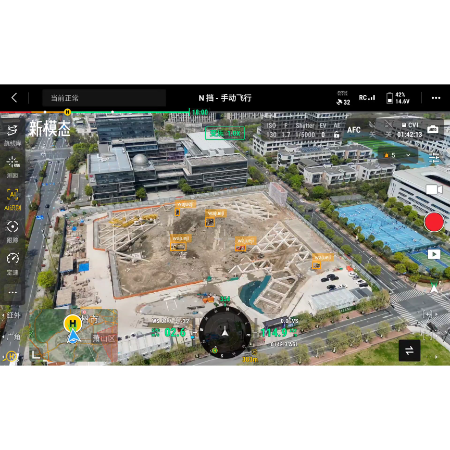
Featured product
Excavator Identification Algorithm
Excavators are widely used in urban construction and management, but improper operation or illegal use may cause accidents or hinder traffic. In order to ensure construction site safety and urban order, the excavator recognition algorithm came into being and became the "smart sentinel" of urban operation. On...
Products mentioned in this guide
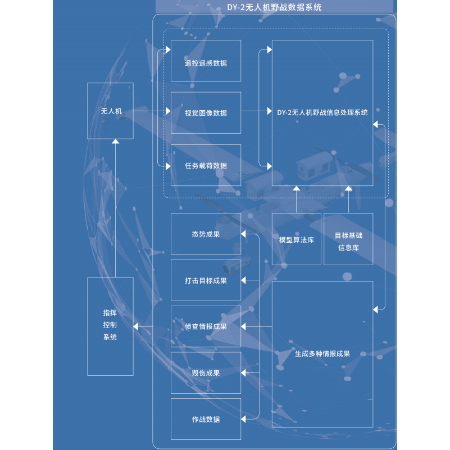
DY-2 UAV Field Data System
This system is primarily developed as a general-purpose GIS and target intelligence tool software, addressing the shortcomings of current GIS software in military applications....
View product details →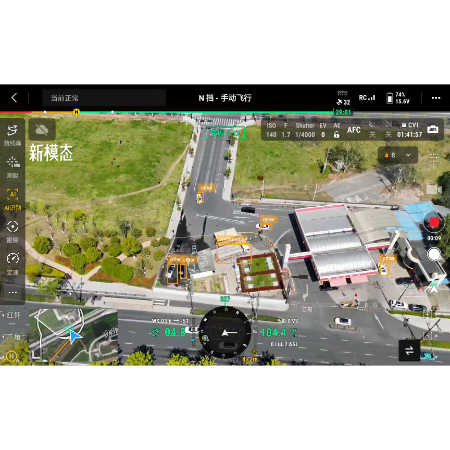
Identification algorithm for hazardous chemical vehicles violating regulations
In urban traffic management, the hazardous chemical vehicle illegal road identification algorithm combined with drones can monitor urban main roads, highway entrances and exits,...
View product details →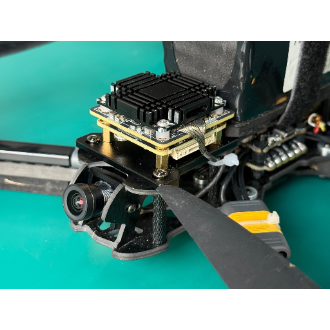
Multi-targets Tracking Module
1) Ultra-high Precision Target Detection: It delivers exceptionalperformance across both urban and wild environments, achieving over99.8% accuracy. The system identifies targets...
View product details →Frequently asked questions
Can the Excavator Identification Algorithm run on drones we already operate?
The supplied product data states that the algorithm can be deployed on a variety of carriers such as drones and surveillance cameras, and that its optimized design runs efficiently on different hardware platforms. It does not list specific supported drone models or integration APIs, so confirm compatibility with your fleet directly — contact us for the datasheet.
Does this solution apply to energy and utilities use cases?
Yes, by extension. The published use cases are construction site monitoring and urban road monitoring of excavator operation, including detection of illegal operations and automatic notification of relevant departments. For utilities, the same detection capability addresses the risk of uncoordinated excavation near infrastructure. Scenario-specific validation should be confirmed with the supplier.
Are there published accuracy figures for the excavator detection model?
No. The supplied product description for the Excavator Identification Algorithm does not include accuracy metrics or test results. The separately listed Multi-targets Tracking Module does publish figures, such as tracking over 200 objects simultaneously with a 99.5% success rate within 30 seconds, but those figures apply only to that product. For excavator model performance, contact us for the datasheet.
What related solutions should we consider alongside it?
Two companion products appear in the same Solutions category: the Identification Algorithm for Hazardous Chemical Vehicles Violating Regulations, which integrates into existing drone monitoring systems without additional hardware investment, and the Multi-targets Tracking Module from Shenzhen Lingying Intelligence Technology, which provides detection and tracking across urban and wild environments with real-time edge AI deployment. The right combination depends on whether your monitoring covers machinery activity, vehicle compliance, or broader multi-target tracking.
How is the product supported after purchase?
The supplied data describes the algorithm as efficient and flexible with optimized design for different hardware platforms, but it does not include details on warranty, update cycles, or support terms. Those are procurement questions to raise with Hangzhou New Modal Technology Co., Ltd. through the marketplace — contact us for the datasheet and commercial terms.
Need help selecting the right system?
Tell us your mission, payload, and operating environment. Our team will help you compare options and request the right datasheets from verified suppliers.