The Optoelectronic Tracking Equipment with Radar and Vision Linkage (model LSC-C2000B, manufactured by Jiangsu Cimer Information Security Technology Co., Ltd.) is a Detection & Countermeasures Equipment product that combines an optoelectronic module, a servo module, and a central control module to capture and track moving targets with high precision and low time delay. For construction progress monitoring programs, it addresses a specific gap: the ability to acquire high-speed moving targets through a telephoto lens with a global exposure shutter, and to maintain coverage of low-altitude areas at night through a black light camera. This spotlight explains what the equipment is, which operational problems it fits, and what procurement teams should verify before purchasing.
What the LSC-C2000B Actually Is
The Optoelectronic Tracking Equipment with Radar and Vision Linkage is built from three subsystems. The optoelectronic module handles imaging, the servo module handles pointing and stabilization, and the central control module coordinates the system. According to the manufacturer's description, the imaging chain uses a global exposure shutter and a telephoto lens, which allows the unit to collect high-speed moving targets with high quality. The listing also states that self-developed chips achieve high precision and low time delay.
Two characteristics are worth flagging for B2B buyers. First, a global shutter differs from a rolling shutter in how it captures motion, which is why the manufacturer positions the camera around high-speed target collection. Second, the black light camera is described as a means of safeguarding the low-altitude area at night, meaning the system is not limited to daylight operations. Detailed specifications such as sensor resolution, lens focal length, detection range, and latency figures are not published in the listing; contact us for the datasheet.
Who This Equipment Is For
This product sits in the Detection & Countermeasures Equipment category, so its natural buyers are not general contractors shopping for a progress camera, but the teams responsible for site oversight, airspace awareness, and monitoring infrastructure on large or high-value construction programs. That includes:
- Procurement teams specifying detection and tracking hardware for construction sites where low-altitude airspace must be monitored alongside physical progress.
- Enterprise drone operators and site security integrators who need a precision tracking component with low time delay as part of a wider monitoring or counter-UAS workflow.
- Systems integrators building multi-sensor monitoring stacks for large construction zones, particularly in regions such as Latin America where long site perimeters and night operations are common requirements.
If your requirement is purely photographic documentation of build progress, this category may be more specialized than needed. If your requirement includes tracking moving objects, such as vehicles, equipment, or aircraft operating near the site, at long range and after dark, the LSC-C2000B's stated characteristics are directly relevant.
Operational Problems It Addresses
Construction progress monitoring programs typically combine periodic drone flights, fixed cameras, and reporting workflows. The problems an optoelectronic tracking unit addresses are different from those of a standard progress camera. Based strictly on the manufacturer's description, the LSC-C2000B targets the following operational pain points:
- Capturing high-speed moving targets with high quality, which standard fixed cameras and slow-scan systems struggle with.
- Maintaining precision on moving subjects through servo-based pointing, reducing the manual operator workload of keeping a telephoto lens on target.
- Low time delay between target acquisition and tracking response, supported by the unit's self-developed chips.
- Night coverage of low-altitude areas through the black light camera, closing the visibility gap after dark on sites that run multiple shifts.
The equipment name also references radar and vision linkage. The listing itself does not publish pairing specifications or integration protocols, so if radar linkage is a requirement in your tender, ask the manufacturer to confirm compatibility and interface details before specifying this model.
How It Compares to Related Equipment
SkyDrone Max lists several other Detection & Countermeasures Equipment products that serve as useful context when specifying a monitoring stack. The table below uses only the published descriptions of each product. It is not a performance comparison, because range, resolution, and latency figures are not available in the supplied data.
| Attribute | LSC-C2000B (main product) | ZK-PEDT-9000S | ZK-RAD-1000X | MOSE-G380 |
|---|---|---|---|---|
| Brand | Jiangsu Cimer Information Security Technology Co., Ltd. | Qingdao ZKDEFENCE Technology Co | Qingdao ZKDEFENCE Technology Co | Sichuan ZKYC Technology Co. |
| Imaging approach | Global exposure shutter with telephoto lens; black light camera for night | HD visible light, infrared thermal, and laser night vision multi-spectral fusion | Radar detection (not an imaging device) | Visible light and infrared dual imaging |
| Stated strengths | High precision, low time delay, self-developed chips | All-day clear imaging, ultra long focus, full-screen automatic searching, locking and tracking on the Cloud Control Platform | Accurate detection and tracking of low, small, slow-moving targets; outputs distance, orientation, pitch, speed, altitude; 3D motion situation | All-weather, long-distance, wide-area monitoring; radar linkage guidance for automatic target capture; modular design |
| Night capability | Black light camera for low-altitude areas at night | Laser night vision imaging | Not stated in the description | Not stated; infrared imaging is listed |
| Contact for datasheet | Yes | Yes | Yes | Yes |
Read this table as a capability map rather than a ranking. A radar product such as the Low-altitude Target Surveillance Radar detects and outputs target motion data but does not image. An optoelectronic tracker like the LSC-C2000B images and tracks but does not, on the strength of its own listing, perform radar detection. Many monitoring architectures use both, with radar cueing the optical tracker; whether that combination applies to your site is a question for the integrator and the manufacturers.
What Buyers Should Verify Before Purchasing
The product listing is accurate to what the manufacturer published, but it is deliberately thin on measurable specifications. Before adding the LSC-C2000B to a bill of quantities, procurement teams should close the following gaps:
- Request the full datasheet from Jiangsu Cimer, including sensor specifications, lens options, servo performance, and environmental ratings. Contact us for the datasheet.
- Confirm the exact scope of the radar and vision linkage referenced in the product name: which radars it pairs with, what interfaces are used, and whether linkage is included or optional.
- Verify the night performance envelope of the black light camera against your site's actual lighting and weather conditions, since the listing describes the feature but not its operating limits.
- Ask for integration requirements for the central control module, including power, mounting, and any software or platform dependencies.
- Confirm lead times, warranty terms, and after-sales support availability for your region, particularly if deploying in Latin America where import and certification timelines can affect project schedules.
None of these gaps is unusual for specialized detection equipment, and none is a reason to disqualify the product. They are, however, reasons to involve the manufacturer directly rather than specify from the listing alone.
A Note on Procurement in Latin America
For buyers in Latin America, large infrastructure and construction programs increasingly specify low-altitude monitoring equipment as part of site security and oversight packages. The LSC-C2000B's stated combination of high-speed target capture and night coverage of low-altitude areas aligns with the requirements that tend to appear in these tenders: continuous coverage, precision tracking of moving targets, and low time delay. Because regional certification, import duty treatment, and local support arrangements are not covered in the product listing, treat those as procurement-stage questions and raise them with SkyDrone Max when requesting the datasheet.
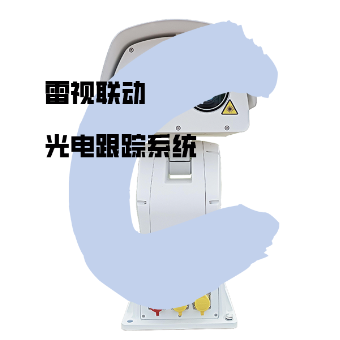
Featured product
Optoelectronic Tracking Equipment with Radar and Vision Linkage
The optoelectronic tracking equipment is composed of an optoelectronic module, a servo module and a central control module. It adopts a global exposure shutter and a telephoto lens, which can collect high-speed moving targets with high quality, featuring high precision and low time delay. Characteristics: 1. Global...
Products mentioned in this guide
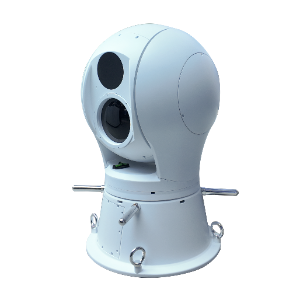
Ball Shaped Intelligent Tracking PTZ Camera
The Ball Shaped Intelligent Tracking PTZ Camera adopts high-definition visible light imaging,infrared thermal imaging,laser night vision imaging...
View product details →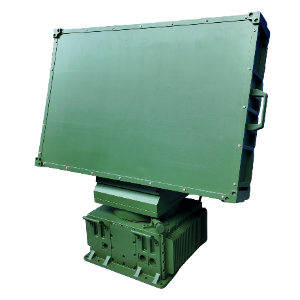
Low-altitude Target Surveillance Radar
The Low-altitude Surveillance Radar can achieve accurate detection and tracking of low,small and slow-moving targets such as drones,display and output a variety of information...
View product details →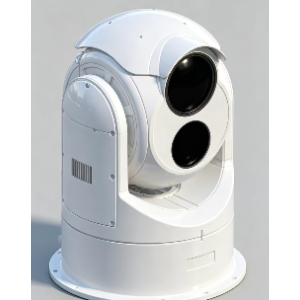
EO/IR Detection and Tracking Device
This device integrates visible light and infrared dual imaging, delivering all-weather, long-distance and wide-area monitoring capabilities. It can accurately identify and track...
View product details →Frequently asked questions
What is the Optoelectronic Tracking Equipment with Radar and Vision Linkage used for on construction sites?
It is a detection and tracking device that captures high-speed moving targets with high quality through a global exposure shutter and telephoto lens, and uses a black light camera to safeguard low-altitude areas at night. On construction programs, it fits site oversight and low-altitude monitoring workflows rather than routine progress photography.
Who manufactures the LSC-C2000B?
The LSC-C2000B is manufactured by Jiangsu Cimer Information Security Technology Co., Ltd. and is listed in the Detection & Countermeasures Equipment category on SkyDrone Max.
Does the LSC-C2000B work at night?
The manufacturer's description states that the unit includes a black light camera specifically for safeguarding the low-altitude area at night. Detailed night performance specifications are not published in the listing, so contact us for the datasheet.
How does the LSC-C2000B differ from a PTZ camera or a surveillance radar?
The LSC-C2000B is an optoelectronic tracking equipment built from optoelectronic, servo, and central control modules, emphasizing high-precision, low-delay tracking of high-speed targets. The Ball Shaped Intelligent Tracking PTZ Camera (ZK-PEDT-9000S) uses multi-spectral fusion imaging with automatic search and tracking on a cloud platform, while the Low-altitude Target Surveillance Radar (ZK-RAD-1000X) detects and outputs target motion data such as distance, orientation, speed, and altitude without imaging. Detailed comparative performance figures are not available in the supplied data.
Where can I get full specifications, pricing, and lead times for the LSC-C2000B?
Specifications beyond the manufacturer's published description, along with pricing, lead times, and regional support details, are available on request. Contact SkyDrone Max for the datasheet and a quotation tailored to your deployment region.
Need help selecting the right system?
Tell us your mission, payload, and operating environment. Our team will help you compare options and request the right datasheets from verified suppliers.